 probeo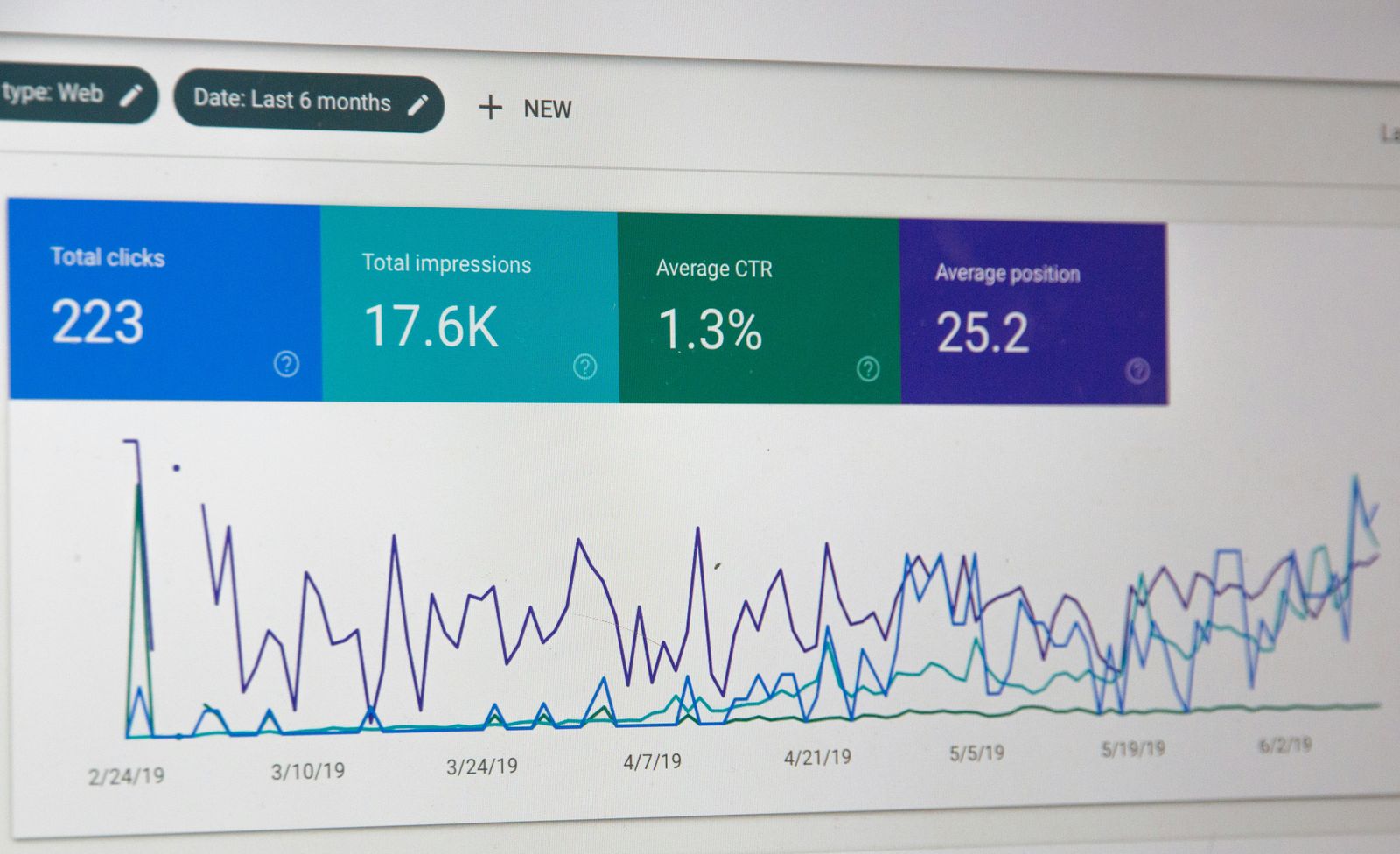
The short answer
It rewrites pages so they answer their question directly and hold up when checked, which is what gets a page used in an AI Overview or answer. Then it shows you whether the rewritten pages start being used.
A mid-market company did this as part of a content refactor. How the content was written turned out to matter as much as what it covered.
The answer was on the page. It was not being used.
Their pages covered the questions people asked. AI Overviews and answers were using other sites anyway.
Any page on a site is now a candidate to be the one an AI answer uses. That makes how a page is written part of whether it gets found, not only what it covers.
What they could not see
- Whether a page answered its question in the first lines, or three sections down.
- Whether its claims carried the conditions a careful reader would expect.
- Whether its headings said what each section answered.
- Which of their pages were already appearing in AI Overviews, and which were not.
What probeo showed them
For each page, the question it answers and whether it answers it directly. Claims that were overgeneralised or missing their conditions were flagged by the sentence, not by the page.
The rewrites put the answer first and kept the qualifications the claims needed.
What happened
After the rewrites went live, a much larger share of their search impressions came from AI Overviews.
What the platforms actually document
Most advice in this area is unverifiable. This part is not.
The retrieval mechanism behind AI Mode is described as query fan-out, issuing multiple related searches across subtopics and data sources rather than answering one query.123
- Eligibility is ordinary. To be shown as a supporting link in AI Overviews or AI Mode, a page must be indexed and eligible to appear with a snippet. Google states there are no additional requirements and no special optimizations.
- There is no AI-specific format. Google says you do not need new machine-readable files, markup or Markdown, that there is no requirement to break content into tiny pieces, and that you do not need to write in a specific way for generative AI.
- Structured data is not the route in either. Google states it is not required for generative AI search and there is no special schema to add, while remaining useful for rich results in ordinary Search.
- Google ignores llms.txt. Maintaining one will neither help nor harm visibility, and no provider documents consuming another site's file.
- Bing is the one giving structural advice: clear headings, tables and FAQ sections, claims supported by examples, data and cited sources, and freshness.
What you can actually control
Four controls are documented, and two of them are ways to remove yourself by accident.
Microsoft documents its own pair: NOARCHIVE prevents content being used in Copilot responses and grounding, while NOCACHE limits Copilot to the URL, title and snippet.4156789
- nosnippet prevents content being used as a direct input for AI Overviews and AI Mode, and max-snippet limits how much may be used. Setting either restricts AI use of the page.
- Robots rules for Googlebot are the access control, because Google says AI is built into Search rather than separate from it.
- Training and search are separate for other providers. Google-Extended covers Gemini training and does not affect Search. OpenAI separates GPTBot for training from OAI-SearchBot for ChatGPT search, and says sites opted out of the latter will not appear in ChatGPT search answers. Anthropic separates ClaudeBot from Claude-SearchBot.
- Blocking in robots.txt does not remove a page from a machine's picture of your site: a disallowed URL can still be indexed and shown without a snippet if others link to it.
- 1.https://developers.google.com/search/docs/appearance/ai-features
- 4.https://developers.google.com/search/docs/crawling-indexing/robots-meta-tag
- 5.https://developers.google.com/crawling/docs/crawlers-fetchers/google-common-crawlers
- 6.https://developers.openai.com/api/docs/bots
- 7.https://support.claude.com/en/articles/8896518-does-anthropic-crawl-data-from-the-web-and-how-can-site-owners-block-the-crawler
- 8.https://developers.google.com/search/docs/crawling-indexing/robots/intro
- 9.https://blogs.bing.com/webmaster/February-2026/Introducing-AI-Performance-in-Bing-Webmaster-Tools-Public-Preview
What is visible on your own site
Search Console's generative AI report gives impressions for AI Overviews and AI Mode together, grouped by page, country, date and device, with no query and no position. Discover has its own version. Bing's AI Performance report gives total citations, average cited pages and the grounding queries behind them.10119
Beyond that, what a machine reads is what your page says. Google derives a title link from the title element, the main visible title, headings, Open Graph tags, prominent styled text, anchor text and site structured data, and rewrites it when those disagree. A snippet is generated from the page content itself and differs by query, so there is no fixed machine-facing summary.1213
- 9.https://blogs.bing.com/webmaster/February-2026/Introducing-AI-Performance-in-Bing-Webmaster-Tools-Public-Preview
- 10.https://support.google.com/webmasters/answer/16984139
- 11.https://support.google.com/webmasters/answer/16983858
- 12.https://developers.google.com/search/docs/appearance/title-link
- 13.https://developers.google.com/search/docs/appearance/snippet
What this cannot tell you
Nobody controls which page an AI answer uses. What you can control is whether your page is the clearest, best-qualified answer available when it looks.
AI answers see pages two ways: a live search when someone asks, and older crawled copies a model learned from. A rewrite can reach the first within weeks. The second waits for a later crawl and a later model.
No platform documents which passage of a page was used to ground an answer, and none publishes an API for how a model represents your content.
Anthropic and OpenAI publish crawler identities and opt-outs but no publisher-side visibility report, so citation volume inside ChatGPT or Claude is not observable from your side at all.
Treat anything promising to optimize for a specific assistant with that in mind.
Questions
Can you guarantee our page shows up in an AI answer?
No. Nobody can. probeo makes the page a better answer and shows you whether it starts appearing.
Does probeo publish anything?
No. probeo delivers each rewritten page, and your team reviews it and publishes it. Publishing stays with you.
Should we publish an llms.txt?
Google ignores it, and says maintaining one will neither help nor harm your visibility. It is a proposal rather than a standard, and no provider documents reading another site's file, although several publish their own.
Is there schema we should add for AI?
No. Google states structured data is not required for generative AI search and there is no special markup to add. It still earns rich results in ordinary Search, where markup must describe visible content.
We blocked the AI crawlers. Are we invisible now?
It depends which one. Google-Extended covers Gemini training and does not affect Search. Blocking OAI-SearchBot means you will not appear in ChatGPT search answers, which is a different decision from blocking GPTBot for training.
What does Search Console actually show?
Impressions from AI Overviews and AI Mode together, by page, country, date and device. No queries, no positions, and the two features are not separated.
Give us a URL. No credentials, no integration, nothing behind a login. We walk you through what we found on your own pages.
See what AI says about youEverything this page is built on
- https://developers.google.com/search/docs/appearance/ai-features
- https://developers.google.com/search/docs/fundamentals/ai-optimization-guide
- https://blogs.bing.com/webmaster/July-2025/Keeping-Content-Discoverable-with-Sitemaps-in-AI-Powered-Search
- https://developers.google.com/search/docs/crawling-indexing/robots-meta-tag
- https://developers.google.com/crawling/docs/crawlers-fetchers/google-common-crawlers
- https://developers.openai.com/api/docs/bots
- https://support.claude.com/en/articles/8896518-does-anthropic-crawl-data-from-the-web-and-how-can-site-owners-block-the-crawler
- https://developers.google.com/search/docs/crawling-indexing/robots/intro
- https://blogs.bing.com/webmaster/February-2026/Introducing-AI-Performance-in-Bing-Webmaster-Tools-Public-Preview
- https://support.google.com/webmasters/answer/16984139
- https://support.google.com/webmasters/answer/16983858
- https://developers.google.com/search/docs/appearance/title-link
- https://developers.google.com/search/docs/appearance/snippet
Related